WhatsApp
+62818-0847-5888
Work Hours
Monday to Friday: 9AM - 5PM
WhatsApp
+62818-0847-5888
Work Hours
Monday to Friday: 9AM - 5PM

 Byadmin
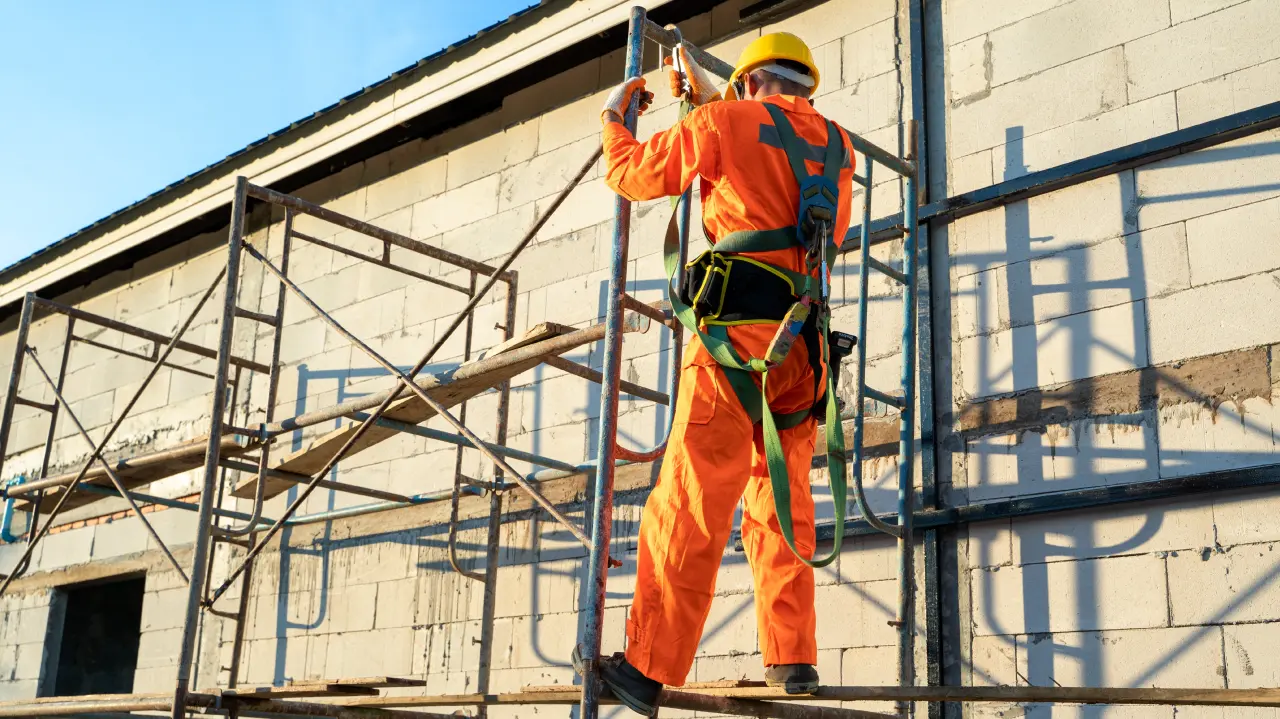
A safety harness is a full-body personal protective equipment (PPE) system designed to distribute fall-arrest forces across the thighs, pelvis, chest, and shoulders, preventing fatal injury during uncontrolled descent at height. Unlike a safety belt, a full-body harness conforms to international standards such as EN 361 (Europe) and ANSI/ASSP Z359.11 (North America) and is mandatory under OSHA 29 CFR 1926.502 for fall protection systems at heights of 6 feet (construction) or 4 feet (general industry).
| D-Ring Location | Primary Use Case | Standard Reference |
| Dorsal (back) | General fall arrest; most common position | EN 361 / ANSI Z359.11 |
| Sternal (front/chest) | Leading edge work; self-rescue positioning | EN 361 / ANSI Z359.11 |
| Shoulder | Confined space rescue and retrieval | EN 1497 / ANSI Z359.14 |
| Hip / Side | Work positioning and restraint (not fall arrest) | EN 358 / ANSI Z359.2 |
| Multi-point | Tower climbing, suspension, technical rescue | EN 361 + EN 358 combined |
Choosing the wrong safety harness is not merely a compliance failure, it is a life-safety risk. Falls from height remain one of the leading causes of fatality in the construction, oil & gas, telecommunications, and utilities sectors globally. Under OSHA 29 CFR 1910.140 and 1926.502, employers bear direct legal responsibility for ensuring fall protection equipment is appropriate for the specific task and correctly fitted to the individual worker.
The selection process must be systematic, documented, and aligned with the fall protection hierarchy: elimination → substitution → engineering controls → administrative controls → PPE. A harness is always the last line of defence, which makes selecting the right one non-negotiable.
Before evaluating any harness specification, identify the nature of the task:
A single harness style cannot serve all these functions safely. Multi-purpose harnesses with combined attachment points are available, but must be verified against each applicable standard before deployment.
Compliance is not optional. Ensure the harness carries certification under the standards applicable to your region and industry:
Third-party certification by a notified body (e.g., SGS, Bureau Veritas, TÜV) is the minimum evidence required. Internal manufacturer testing alone is insufficient for regulatory compliance.
Harnesses are rated by total system weight, not body weight alone. Factor in:
Most standard harnesses accommodate users up to 140 kg total system weight. For workers exceeding this, purpose-rated high-capacity harnesses with reinforced webbing and larger hardware must be specified. Never assume a harness rated for a standard load range is suitable for heavier users.
The attachment point determines how arrest forces are transmitted through the harness and into the worker’s body. Selecting the wrong D-ring for a task can result in inappropriate body position during arrest, increased injury risk, or system disengagement.
Use the D-ring comparison table above as a starting reference, then verify against the manufacturer’s task-specific guidance and applicable standard.
A harness does not function in isolation. It is one component in a fall protection system that includes:
All components must be designed and tested to work together. Mixing incompatible brands or system types without engineering verification is a regulatory violation and a direct safety hazard.
A harness that is not properly fitted provides no meaningful fall protection. Key fit considerations include:
Workers should be individually fitted and trained, not issued a harness from a communal rack without adjustment.
Even the highest-quality harness has a finite service life. Establish a formal inspection and retirement programme:
Traceability records, including manufacture date, inspection logs, and user assignment — must be maintained for each unit.
Use this checklist before procuring or deploying any safety harness:
Task & Environment
Compliance
Technical Specification
Fit and Comfort
Inspection and Lifecycle
The factors outlined above demonstrate that selecting a safety harness requires more than product knowledge, it demands system-level engineering expertise, regulatory fluency, and practical field experience. Procurement teams and safety officers benefit significantly from working with engineered lifting and safety solution providers who can assess the complete fall protection system, verify cross-component compatibility, and provide documented compliance support.
When evaluating suppliers, look for partners who offer technical consultation alongside product supply, maintain certified inspection services, and carry a portfolio that covers harnesses, lanyards, anchor systems, and load-rated accessories from verified manufacturers. The right partner reduces procurement risk, supports regulatory audit readiness, and ultimately protects the most important asset on any worksite, the people on it.
References: EN 361:2002, EN 358:1999, EN 355:2002, EN 360:2002, EN 365:2004, ANSI/ASSP Z359.11-2021, OSHA 29 CFR 1926.502, OSHA 29 CFR 1910.140