WhatsApp
+62818-0847-5888
Work Hours
Monday to Friday: 9AM - 5PM
WhatsApp
+62818-0847-5888
Work Hours
Monday to Friday: 9AM - 5PM

 Byadmin
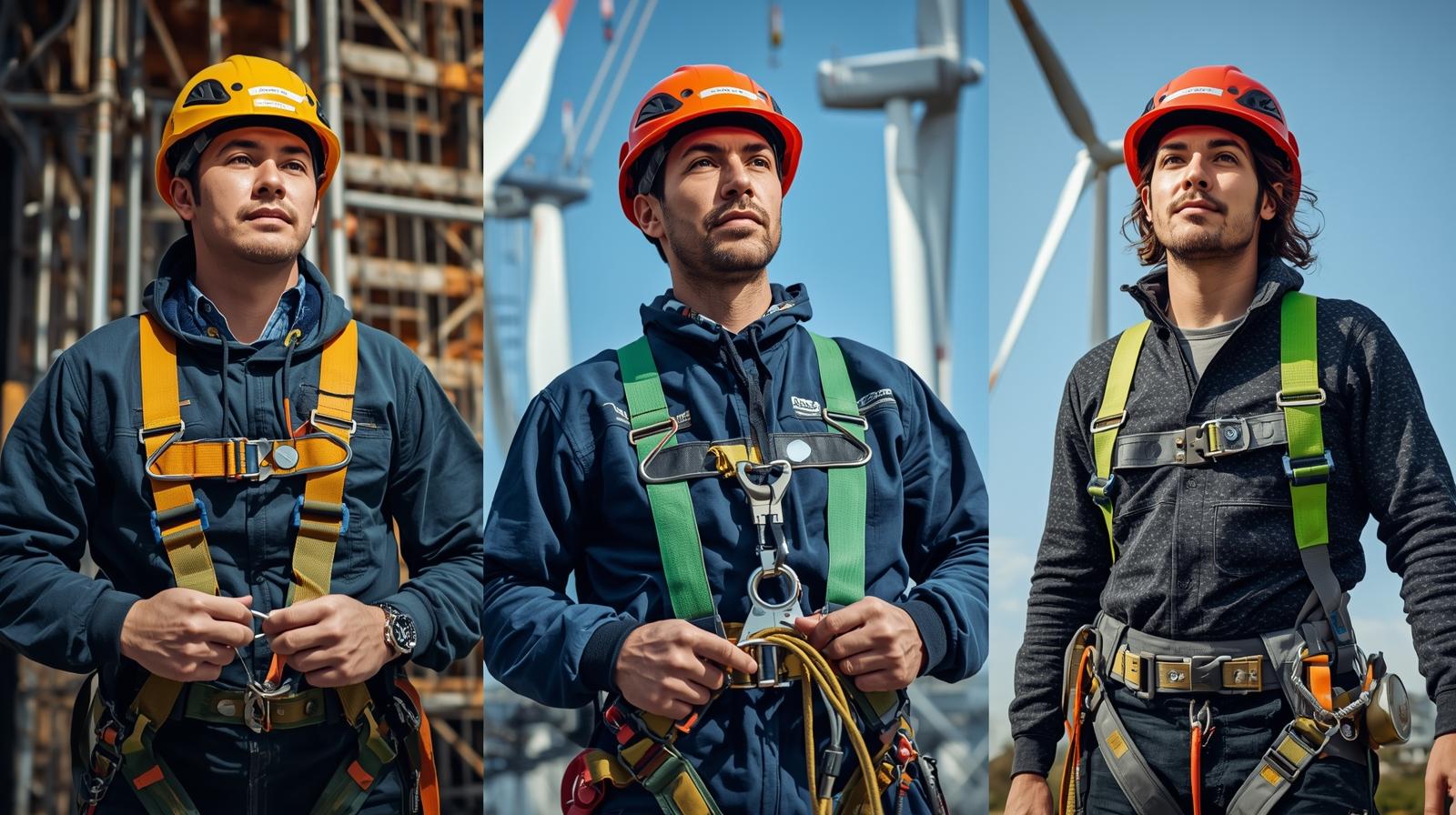
Working at height remains one of the most hazardous activities across industrial sectors. Every year, falls from elevation account for a significant portion of workplace fatalities and serious injuries globally. Safety harnesses serve as the primary line of defense in fall protection systems, yet many workers and project managers underestimate the variety of roles that require proper harness use. Understanding which industrial jobs demand fall protection equipment is essential for maintaining compliance, preventing accidents, and building a culture of safety across worksites.
Work at height isn’t limited to construction workers on scaffolding. According to general occupational safety principles, any task performed where a person could fall a distance sufficient to cause injury qualifies as work at height. In most industrial contexts, this threshold begins at approximately 1.8 to 2 meters, though specific regulations vary by jurisdiction and industry.
The definition extends beyond obvious scenarios. Workers accessing machinery platforms, climbing fixed ladders, performing maintenance on elevated equipment, or even standing on mobile elevated work platforms all fall within this category. The common thread connecting these activities is risk, the potential for gravitational falls that can result in severe injury or death. This is where safety harnesses for industrial work become non-negotiable equipment rather than optional gear.
Construction sites present some of the most recognizable scenarios requiring fall protection systems. Structural steel workers assembling building frames, ironworkers installing reinforcement bars, and roofing crews operate at heights where falls pose constant danger. These professionals routinely work on unfinished surfaces, exposed edges, and temporary structures where traditional guardrails aren’t always feasible.
The dynamic nature of construction work means anchor points change frequently, and workers must understand how to properly connect their body harness to appropriate tie-off locations. Concrete pourers working on elevated slabs, facade installers on building exteriors, and formwork carpenters erecting vertical structures all rely on properly fitted harnesses integrated with lanyards, shock absorbers, and sometimes self-retracting lifelines. The risks include not only the fall itself but also swing falls, pendulum effects, and clearance distances that must be calculated before beginning work.
Industrial facilities require ongoing maintenance that frequently involves elevated access. Mechanical technicians servicing overhead cranes, HVAC specialists working on rooftop units, and inspection engineers assessing structural integrity of bridges and towers all face working at height risks regularly. Unlike construction, these jobs often occur in already-operational environments where space constraints and equipment interference complicate fall protection setup.
Maintenance work presents unique challenges because technicians often need both hands free to manipulate tools and components. This requirement makes proper harness selection critical, the equipment must allow freedom of movement while maintaining constant protection. Confined space entries at height, such as accessing the interior of silos or pressure vessels via overhead openings, combine multiple hazards where safety harnesses become part of a comprehensive rescue plan, not just fall prevention.
Modern warehouse and distribution centers feature storage systems reaching heights of 10 to 15 meters or more. Workers who manually access these elevated storage locations, whether for inventory management, system maintenance, or installation of new racking, require fall protection. While mechanical lifts provide access, equipment failures, improper positioning, or tasks requiring workers to step outside the protected platform create fall hazards.
Pallet racking installers and maintenance personnel face particular risks. Assembling vertical structures means working at progressive heights on incomplete systems without permanent anchor points. These workers must use mobile anchor devices or temporary horizontal lifelines while maintaining three points of contact during climbing sequences. The industrial environment adds complexity through forklift traffic, moving inventory, and space limitations that affect rescue accessibility.
Power generation facilities, whether conventional or renewable, present extensive work at height requirements. Wind turbine technicians climb towers exceeding 80 meters to access nacelles and blade assemblies. Coal, gas, and nuclear plant operators perform maintenance on boilers, cooling towers, and transmission structures where fall protection system integration is mandatory. Solar farm installers work on elevated panel arrays, and hydroelectric facility workers access dam structures and penstock systems.
The energy sector’s safety harness requirements often exceed basic compliance due to the catastrophic consequences of accidents in these environments. Electrical hazards compound fall risks, requiring specialized non-conductive equipment in some scenarios. Workers may spend entire shifts at height, necessitating harnesses designed for extended wear without causing fatigue or circulation restriction. Rescue plans must account for remote locations and the technical complexity of extracting an injured worker from confined or elevated positions.
Refineries, chemical plants, and offshore platforms create three-dimensional work environments where nearly every operational area involves potential fall hazards. Process operators accessing valve platforms, maintenance crews working on distillation columns, and inspection teams examining piping racks at various elevations all require body harness industrial use as standard procedure.
Offshore oil platforms intensify these risks with weather exposure, vessel motion, and the added danger of falling into water. Fixed platforms feature multiple deck levels connected by stairs and ladders where slip and fall incidents can cascade through several elevations. The corrosive environment demands harness materials resistant to saltwater, hydrocarbons, and UV degradation. Workers transitioning between platform sections via rope access techniques or working over open grating require harnesses compatible with their specific task demands.
Telecommunications infrastructure keeps modern society connected, but maintaining it requires specialists comfortable working at extreme heights. Cell tower technicians, antenna installers, and broadcast equipment maintenance personnel regularly climb structures 30 to 200 meters tall. These workers face unique challenges including lightning risk, radio frequency exposure, and minimal working platforms.
Tower climbing demands 100% tie-off discipline—workers must remain connected to fall protection at all times during ascent, work, and descent. The narrow profile of most towers limits movement, making harness comfort and positioning critical for preventing fatigue during extended climbs. Rescue from these heights requires specialized training and equipment, as injured workers cannot simply be lowered to ground level without proper systems in place.
Not all safety harnesses are interchangeable across industrial applications. A harness suitable for general construction may lack the dorsal D-ring positioning required for confined space rescue. Equally, a basic positioning harness adequate for utility pole work won’t provide the fall arrest capability needed for unprotected edges.
Full-body harnesses designed for specific industries incorporate features matching the work demands. Suspension trauma straps help workers maintain circulation if left hanging post-fall. Quick-connect buckles allow rapid donning when entering and exiting hazardous zones frequently. Padding and ergonomic design reduce fatigue during all-day wear. Understanding these distinctions prevents the false security of wearing inappropriate equipment that meets minimum standards but fails under actual working conditions.
Safety harnesses represent just one component in comprehensive fall protection. The hierarchy of controls prioritizes elimination of fall hazards through design, followed by passive protection like guardrails and safety nets. Only when these aren’t feasible do personal fall arrest systems become the primary defense. However, when harnesses are necessary, they must integrate properly with anchor points, connecting devices, and rescue plans.
Anchorage strength, clearance calculations, and compatibility between system components determine whether fall protection actually protects. A quality harness connected to an inadequate anchor fails catastrophically. Shock-absorbing lanyards prevent excessive arrest forces, but only if sufficient clearance exists below the worker to allow full deployment before ground contact. These technical considerations require competent persons who understand both the equipment and the physics of fall dynamics.
Compliance-driven safety creates minimum acceptable behavior. Culture-driven safety transforms harness use from regulatory burden into professional standard. Organizations leading in industrial safety metrics invest in proper equipment selection, comprehensive training, and accountability systems that make cutting corners socially unacceptable among work crews.
Companies like Sebatek, which manufacture industrial safety equipment focused on durable work-at-height solutions, recognize that equipment quality supports this culture shift. When workers trust their gear through direct experience with robust construction and thoughtful design, compliance becomes instinctive rather than enforced. However, equipment alone doesn’t create safety culture—leadership commitment, worker empowerment to stop unsafe work, and transparent incident investigation all contribute to environments where harness use is universal and unquestioned.
The diversity of industrial jobs requiring safety harnesses reflects modern workplace complexity. From offshore platforms to warehouse ceilings, from telecommunications towers to power plant boilers, elevated work is unavoidable in maintaining and building infrastructure. Recognizing which roles face these hazards allows organizations to implement appropriate fall protection systems before incidents occur.
Effective safety programs match equipment to task demands, train workers in proper use and limitations, and create accountability for consistent compliance. As industries evolve and work at height scenarios become more specialized, the foundation remains constant: properly selected, correctly worn, and systematically maintained safety harnesses save lives. Treating them as standard equipment rather than optional protection reflects the maturity of an organization’s commitment to worker welfare and operational excellence.