WhatsApp
+62818-0847-5888
Work Hours
Monday to Friday: 9AM - 5PM
WhatsApp
+62818-0847-5888
Work Hours
Monday to Friday: 9AM - 5PM

 Byadmin
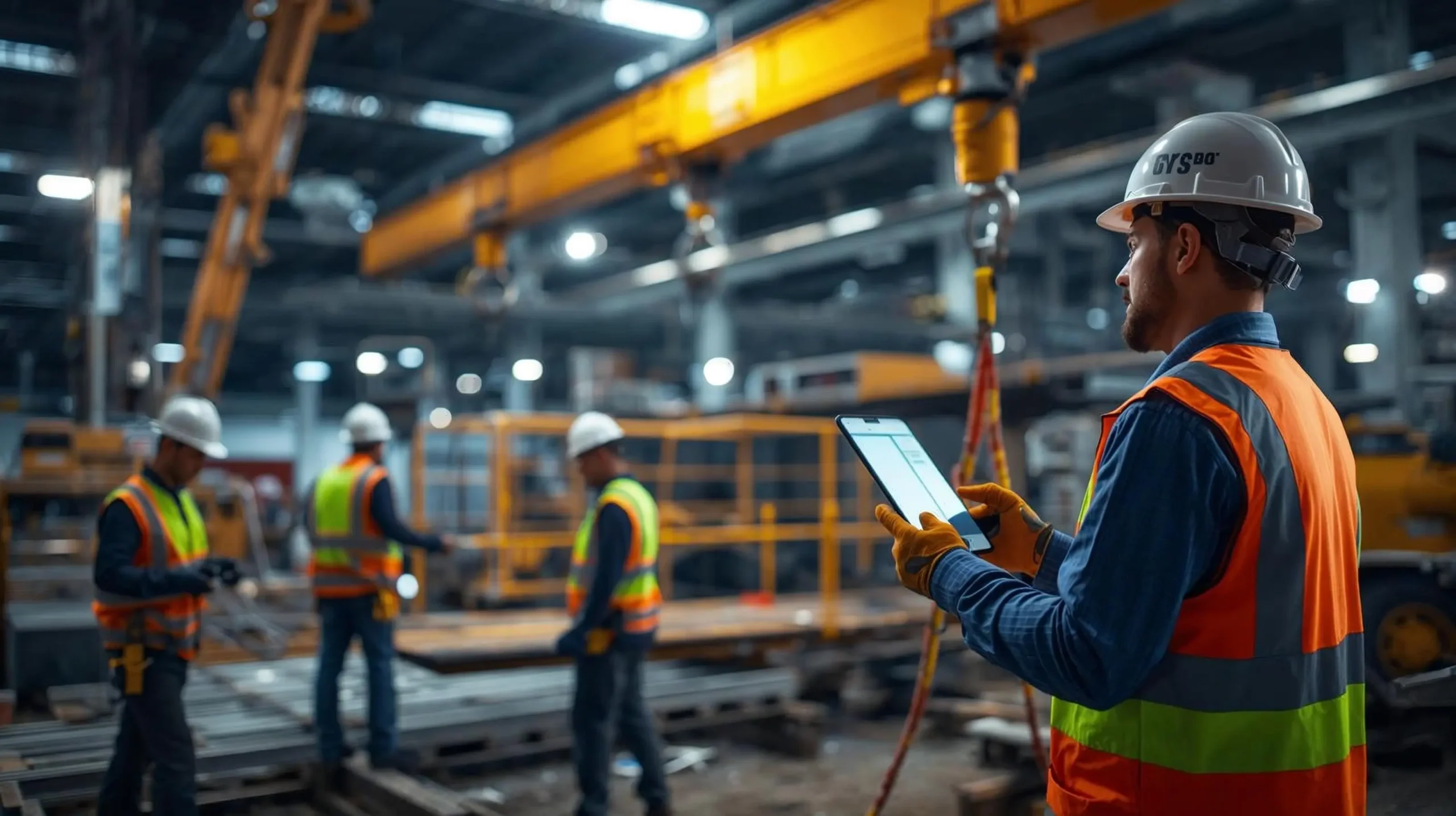
Every project manager has heard the phrase before: Safety costs money. It shows up during budget reviews, procurement meetings, and equipment planning sessions. Safety equipment for industrial projects is often the first line item questioned when costs are being cut.
But this way of thinking creates a serious problem. When safety equipment is treated as an optional expense, the consequences are often far more expensive than the equipment itself. Accidents, work stoppages, legal liability, and project delays all carry costs that no budget can easily absorb.
This article examines why investment in safety equipment should be considered a core part of every industrial project, not a line item to be trimmed. It is written for HSE managers, procurement managers, project managers, engineers, and anyone responsible for keeping industrial operations running safely and efficiently.
The misclassification of safety equipment starts with how budgets are built. When a project is planned, spending on cranes, steel, concrete, and machinery is considered essential. These items clearly produce something. Safety helmets, harnesses, lifting safety equipment, and barriers, on the other hand, feel passive. They do not build anything. They do not move materials or complete tasks.
This view is understandable, but it is shortsighted. Safety equipment does not produce an output that you can see on a project plan. What it does is protect everything else on that plan from being disrupted. When a lifting operation fails because proper safety equipment was not in place, the impact is immediate and wide-reaching. Work stops. People are injured. Investigations begin. Equipment is damaged. Schedules collapse.
The cost of ignoring safety equipment is not theoretical. It is real, and it tends to be much larger than the cost of buying the right equipment in the first place.
To understand project safety investment, it helps to look at what happens when it is absent. A single workplace accident on an industrial site can trigger multiple financial consequences at once.
There are direct costs like medical treatment, equipment repair, and personnel replacement. Then there are indirect costs that are harder to calculate but often larger: project delays, loss of productivity, regulatory fines, increased insurance premiums, and damage to company reputation. Some estimates suggest that indirect costs can be three to ten times higher than direct costs.
For companies working in oil and gas, construction, mining, manufacturing, or heavy industry, a single serious incident can result in weeks or months of downtime. That level of disruption far exceeds the value of any savings made on safety equipment budgets.
Proper project safety investment removes much of this risk before it becomes a problem.
Safety equipment for industrial projects works on multiple levels. At the most basic level, it keeps workers safe. But beyond that, it keeps projects moving.
When workers can trust that they have the right equipment for the task, they work more confidently and efficiently. Lifting safety equipment that is properly rated and maintained allows lifting operations to proceed without the fear of equipment failure. Personal protective equipment reduces injury risk and keeps workers available for their roles throughout the project.
Safety equipment also supports compliance. Most industrial projects operate under strict regulatory requirements. Having the right equipment in place means passing inspections, meeting client requirements, and avoiding shutdowns. That alone makes safety equipment a worthwhile investment for any serious industrial operation.
From a project management perspective, safety equipment is risk mitigation. It reduces the probability of events that would otherwise derail timelines, budgets, and outcomes.
Different industrial environments require different types of safety equipment. Here are some practical examples of the kinds of equipment that support safe and efficient project execution:
Each of these categories represents a real investment that pays back through prevention. When the right equipment is in place, these scenarios simply do not escalate into costly incidents.
Not all safety equipment is equal. The quality, certification, and fitness for purpose of each item matter enormously in an industrial environment. Choosing a supplier based purely on the lowest price often leads to equipment that does not perform when it counts.
A reliable safety equipment supplier should be able to offer certified products that meet international standards, provide technical advice on the right equipment for specific applications, offer equipment across a project lifecycle, and support inspection and replacement schedules.
Companies like Sebatek, which provides lifting and safety equipment for industrial projects, understand that procurement decisions have real safety consequences. Working with a trusted partner ensures that the equipment reaching the site has been properly selected, rated, and documented. That is not a minor detail. It is a fundamental part of project safety investment.
When evaluating suppliers, HSE managers and procurement teams should look beyond price to ask: Does this supplier understand our industry? Do they offer equipment that is certified and traceable? Can they support us through the full project lifecycle? These questions lead to better decisions and safer outcomes.
One of the most practical arguments for treating safety equipment as an investment rather than a cost is the concept of total project value. Over the life of a project, properly maintained and correctly specified safety equipment delivers returns that no one advertises, but every project manager eventually understands.
First, there is the reduction in incident-related costs. A project with strong safety equipment in place experiences fewer accidents. Fewer accidents mean lower insurance costs, less downtime, and fewer delays.
Second, there is the reputational benefit. Industrial companies that maintain strong safety records attract better clients, better contracts, and better talent. Safety is increasingly a differentiator in competitive project environments.
Third, high-quality safety equipment for industrial projects tends to last longer and require less frequent replacement than cheaper alternatives. The upfront savings from lower-quality equipment often disappear when replacement and maintenance costs are calculated over a project timeline.
Finally, working with a trusted provider of lifting safety equipment and other critical safety systems means you have access to expertise, not just products. That relationship adds value throughout the project, not just at the point of purchase.
The question of whether safety equipment is a cost or an investment has a clear answer when you look at the full picture. Accidents, delays, fines, and shutdowns are far more expensive than the safety equipment that prevents them. A project safety investment in quality lifting safety equipment, PPE, and site safety systems is a decision that protects people, protects schedules, and protects profitability.
HSE managers, procurement managers, and project teams who understand this are not spending more on safety. They are spending smarter. They are removing risk from their projects before it becomes a problem that no budget can fix.
Partnering with experienced providers like Sebatek, who specialize in lifting and safety equipment for industrial projects, ensures that the right equipment reaches the right place at the right time. That is not overhead. That is project management.
Safety equipment for industrial projects prevents accidents, reduces downtime, and protects project schedules. The financial impact of a single serious incident, including medical costs, delays, fines, and reputational damage, typically far exceeds the cost of the safety equipment that would have prevented it. Treating safety as an investment means recognizing that it directly protects project value.
Essential lifting safety equipment includes certified shackles, wire rope slings, synthetic slings, hooks, lifting beams, and rigging hardware. All lifting equipment should carry valid load ratings and certification in line with applicable industry standards. Regular inspection and documentation are also required to ensure ongoing safety compliance.
Proper safety equipment reduces costs by preventing accidents that trigger medical expenses, regulatory fines, equipment damage, and project delays. It also supports regulatory compliance, which avoids costly site shutdowns. Over the full project lifecycle, quality safety equipment requires less frequent replacement and generates fewer disruptions than cheaper alternatives.
Procurement managers should look for suppliers that offer certified products meeting international standards, technical expertise in equipment selection, and reliable supply across the project timeline. A supplier like Sebatek, which focuses on lifting and safety equipment for industrial projects, can provide both the products and the technical support needed to make procurement decisions that protect workers and project outcomes.
© sebatek.id | “Safety Equipment Is Not a Cost, It Is a Project Investment” | Indonesia Polyester Manufacture