WhatsApp
+62818-0847-5888
Work Hours
Monday to Friday: 9AM - 5PM
WhatsApp
+62818-0847-5888
Work Hours
Monday to Friday: 9AM - 5PM

 Byadmin
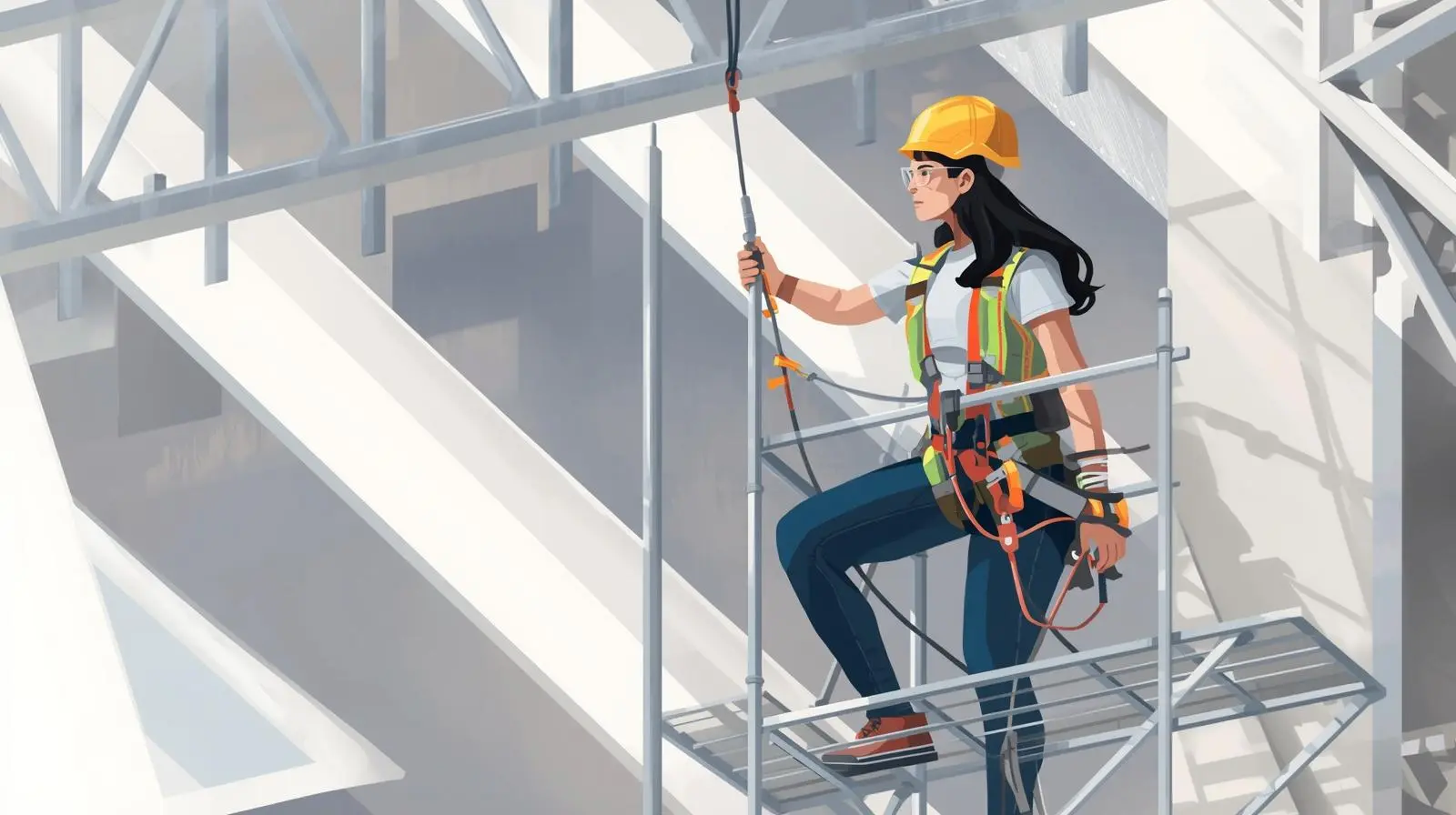
When workers step onto scaffolding, climb communication towers, or operate at height on construction sites, one piece of equipment stands between them and a potentially fatal fall: the body harness. Despite being a daily sight on industrial job sites worldwide, this critical safety device is often misunderstood or underestimated in its engineering complexity and life-saving function.
A body harness is a full-body personal protective equipment (PPE) system designed to arrest falls and distribute impact forces safely across the wearer’s body during a fall event. Unlike older fall protection methods such as body belts, which concentrated force on the lower torso and caused serious internal injuries, modern harnesses distribute arresting forces across the shoulders, thighs, and pelvis—reducing injury severity and increasing survival rates.
The device consists of interconnected straps, typically made from synthetic webbing materials like polyester or nylon, that form a supportive structure around the torso and legs. These straps connect to a dorsal D-ring (located between the shoulder blades) or other attachment points, which link to anchor systems via lanyards or lifelines.
Core components include:
The engineering behind these seemingly simple straps is anything but basic. Every stitch, every buckle, and every fiber selection follows rigorous material science principles to ensure the system performs under extreme stress.
Falls remain one of the leading causes of workplace fatalities globally. According to occupational safety data, falls from height consistently rank among the top three causes of workplace deaths across industries including construction, telecommunications, oil and gas, and utilities maintenance.
A properly engineered body harness serves three critical functions:
Fall Arrest: When a fall occurs, the harness works with the entire fall protection system (anchor, connecting device, and shock absorber) to stop the worker’s descent safely. The harness must withstand forces exceeding 2,000 pounds in some scenarios while keeping those forces below injury thresholds for the human body.
Force Distribution: Modern harness designs spread arresting forces across skeletal structures that can handle significant loads—primarily the pelvis and shoulders. This distribution prevents the concentrated pressure that older belt systems created, which often resulted in severe internal organ damage even when preventing death.
Suspension Tolerance: After a fall is arrested, a worker may remain suspended while awaiting rescue. Quality harnesses minimize suspension trauma—a dangerous condition where blood pools in the legs, potentially leading to unconsciousness or death if rescue is delayed.
The transition from natural fiber ropes to synthetic materials revolutionized fall protection equipment. Modern body harnesses leverage advanced synthetic webbing that offers superior strength-to-weight ratios, UV resistance, and predictable performance characteristics.
Material Engineering Matters
Polyester webbing, commonly used in industrial-grade harnesses, provides excellent tensile strength while resisting stretching. This controlled elasticity is crucial—too much stretch and the worker falls further (increasing injury risk), too little and the sudden stop creates dangerous deceleration forces.
High-tenacity synthetic fibers can handle:
The stitching patterns used to join webbing segments also follow engineering specifications. Bar-tack stitching, cross-box patterns, and reinforced joints aren’t decorative—they’re calculated to maintain strength even if individual stitches fail.
Not all work at height demands the same harness configuration. Industry professionals select harnesses based on specific job requirements:
Basic Fall Arrest Harnesses feature minimal attachment points (typically one dorsal D-ring) and suit general construction or maintenance work where workers need mobility and straightforward fall protection.
Positioning Harnesses include side D-rings that allow workers to lean back against their lanyards while working hands-free. Linemen, tower technicians, and facade workers frequently use these configurations.
Suspension and Rescue Harnesses incorporate front chest attachments and additional support structures for prolonged suspension or rescue operations. These models reduce suspension trauma risk during extended hang time.
Confined Space Harnesses add shoulder or dorsal retrieval points that enable vertical rescue from tanks, vessels, or other restricted spaces where workers cannot self-evacuate.
Even the most expertly engineered harness fails if not properly maintained. Pre-use inspections should check for:
Harnesses exposed to fall forces must be immediately removed from service, even if damage isn’t visible. The energy absorption during a fall event can compromise structural integrity in ways that aren’t apparent to visual inspection.
Proper storage extends harness life. Equipment should be stored in cool, dry locations away from direct sunlight, chemicals, and sharp objects. Hanging harnesses on pegs prevents webbing stress from folding or compression.
International and regional safety standards establish minimum performance requirements for body harnesses. These standards specify testing protocols, strength requirements, and design criteria that manufacturers must meet.
While specific standard numbers vary by region (North America, Europe, and Asia-Pacific maintain different regulatory frameworks), the underlying principles remain consistent: harnesses must arrest falls within safe distances, distribute forces safely, and withstand defined load scenarios.
Compliance isn’t optional. Organizations using fall protection equipment must ensure their harnesses meet applicable standards for their jurisdiction and industry. This legal requirement aligns with the moral imperative of protecting human life.
Quality harness manufacturing requires more than assembling straps and buckles. It demands expertise in material science, biomechanics, and industrial safety regulations. Manufacturers who specialize in synthetic lifting and safety equipment bring engineering precision to every product.
The #LiftingEngineered approach recognizes that safety equipment isn’t commodity hardware—it’s life-critical technology. Similarly, #SyntheticStrength acknowledges the material innovations that make modern fall protection systems lighter, stronger, and more reliable than previous generations.
Companies producing fall protection equipment in Indonesia and throughout Asia serve rapidly developing markets where construction, telecommunications, and industrial growth create enormous demand for quality safety systems. Local manufacturing expertise ensures products meet both international standards and regional operational requirements.
A body harness represents the intersection of material science, safety engineering, and human-centered design. Its purpose is singular and absolute: preventing death and serious injury from falls at height. When properly selected, fitted, inspected, and used within a complete fall protection system, the body harness fulfills this purpose with remarkable reliability.
For industrial professionals, understanding what a body harness is extends beyond identifying straps and buckles. It means recognizing the engineering principles, material properties, and safety standards that make this equipment trustworthy when it matters most. PT. Sebatek Prima Tunggal manufactures synthetic lifting and safety equipment that prioritizes engineering integrity and material reliability—because in fall protection, there is no margin for compromise.