WhatsApp
+62818-0847-5888
Work Hours
Monday to Friday: 9AM - 5PM
WhatsApp
+62818-0847-5888
Work Hours
Monday to Friday: 9AM - 5PM

 Byadmin
An industry analysis for HSE managers, procurement teams, engineers, and project managers.
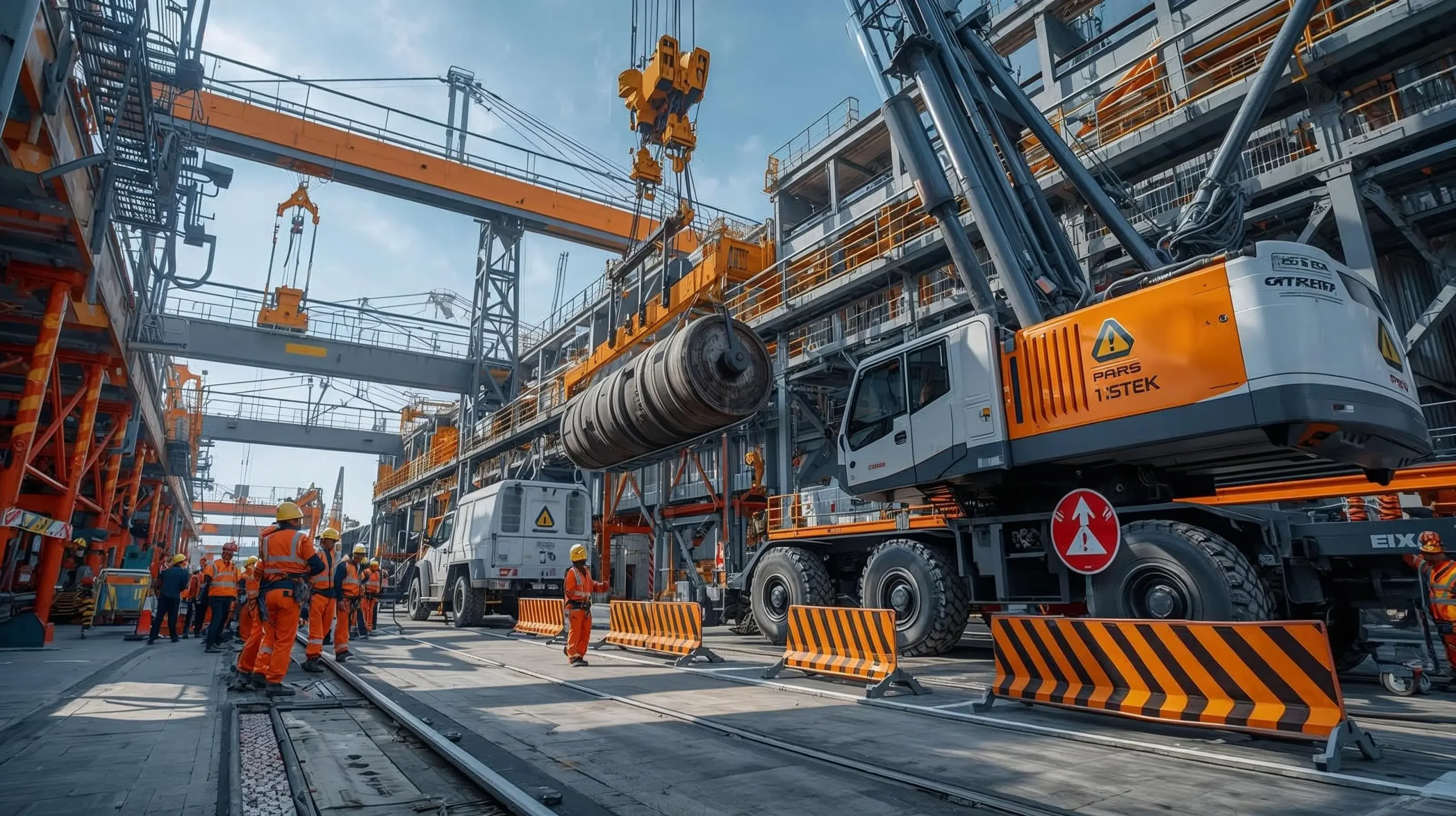
Something has been shifting quietly across the industrial supply chain. Companies that built their reputation on hoists, shackles, slings, and rigging hardware are now adding hard hats, fall arrest systems, gas detectors, and safety harnesses to their product portfolios. This is not a coincidence, and it is not simply opportunistic diversification. It reflects a much bigger change in how heavy industry thinks about risk, procurement, and operational efficiency.
For the professionals who manage worksites, approve vendor lists, or sign off on safety compliance, this trend has real implications. Understanding why leading lifting manufacturers are moving into safety equipment helps procurement teams make smarter decisions and signals where the market is heading over the next decade.
Ten years ago, safety equipment and lifting equipment were treated as separate procurement categories. A site manager would source rigging hardware from one supplier, personal protective equipment from another, and fall protection from a third. Each vendor operated in a defined lane, with little crossover.
That model is breaking down. Regulatory pressure from bodies like OSHA, the HSE in the UK, and international ISO standards has raised the bar for workplace safety documentation, equipment compatibility, and integrated risk management. At the same time, high-profile industrial accidents have forced boards and executive teams to take safety spending seriously in ways that were not always the case before.
The result is that safety is no longer a line item to be minimized. It is a board-level priority, and industrial suppliers have noticed.
Lifting operations sit at the intersection of mechanical risk and human risk. A failed sling, an overloaded hoist, or a miscommunicated lift plan can result in catastrophic outcomes within seconds. This reality has always existed, but the industry is now more systematic about documenting it, managing it, and building controls around it.
When you look at the data from major incident investigations, a significant portion of lifting-related accidents involve not just mechanical failure, but human factors: inadequate fall protection during rigging setup, poor visibility for lifting supervisors, gas hazards in confined lift zones, or communication breakdowns between operators and riggers.
This is where the line between lifting equipment and safety equipment blurs. A lifting manufacturer already understands load dynamics, working load limits, and the physics of overhead operations. That knowledge base is directly transferable to understanding why specific safety equipment must be selected, rated, and maintained correctly in lift environments.
Several converging forces are driving this expansion. None of them is temporary.
Regulators are increasingly scrutinizing how lifting operations are planned, equipped, and executed. Compliance now requires not just certified lifting gear, but documented evidence that workers performing or supervising a lift were protected throughout the operation. For a lifting manufacturer, adding compliant safety equipment to their range is a logical way to help customers meet these requirements without going to a second supplier.
Procurement teams, particularly in oil and gas, construction, and logistics, are under pressure to consolidate vendor lists. Managing 15 different suppliers for a single project site creates administrative complexity, audit risk, and compatibility headaches. Buyers increasingly prefer vendors who can deliver a broader range of qualified, tested products under a single account relationship. Lifting manufacturers who can offer both rigging hardware and personal protective equipment are easier to work with and more competitive at the tender stage.
HSE managers and engineering teams now think about risk in a more holistic way. They are not asking “is the crane rated for this load?” in isolation. They are asking, “Is the entire lift operation, from rigging to worker positioning to emergency response, properly controlled?” A lifting manufacturer who understands this broader question, and who can supply equipment that answers it, is genuinely more valuable than one who only sells hardware.
The market for core lifting equipment is mature and competitive. Margins on standard shackles, slings, and hoists are under pressure. Expanding into safety equipment opens new revenue streams and increases the lifetime value of customer relationships. It also builds brand credibility as a full-service industrial solutions provider rather than a commodity hardware supplier.
For industrial buyers, the practical benefits of working with a lifting manufacturer that also supplies safety equipment are significant.
The categories of safety equipment that are most directly relevant to lifting operations include the following.
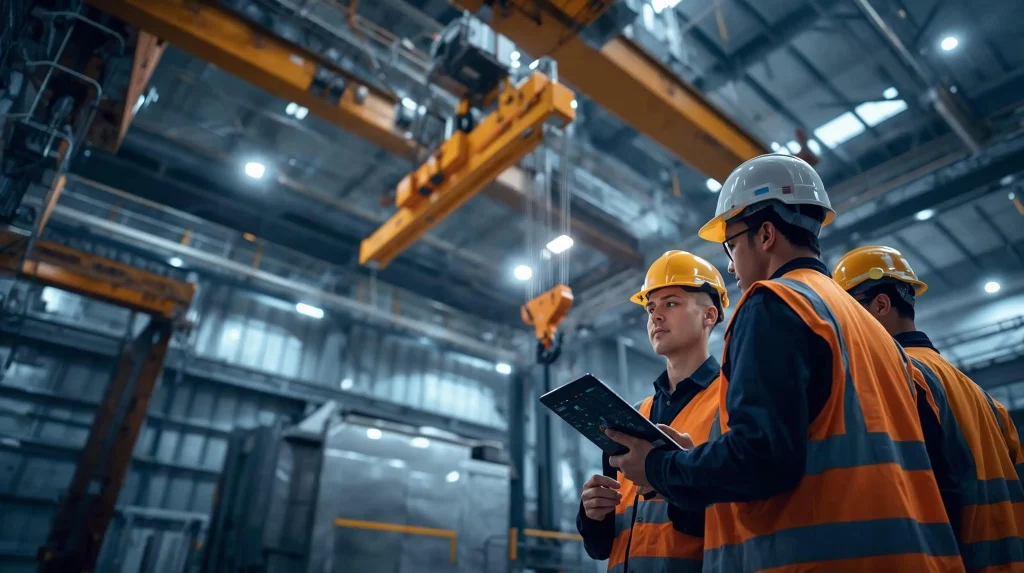
The convergence between lifting equipment and safety equipment is likely to deepen over the next five to ten years, driven by several emerging developments.
Digital integration is already changing how lift plans are created and how safety controls are documented. Platforms that combine load data from smart lifting equipment with worker location data and safety system status are being piloted on major construction and offshore projects. The lifting manufacturer who also supplies safety equipment is in a strong position to offer cohesive digital tools across both domains.
Sustainability and supply chain consolidation will continue pushing procurement teams to prefer suppliers who can do more with fewer relationships. A lifting manufacturer with a credible, certified safety equipment range is better positioned in long-term framework agreements and preferred supplier programs.
Finally, the regulatory environment shows no sign of relaxing. If anything, reporting requirements, inspection intervals, and documentation standards are increasing. Suppliers who help clients manage compliance across both lifting operations and worker safety will become genuinely strategic partners rather than simple product vendors.
The expansion of lifting manufacturers into the safety equipment market is not a passing trend. It reflects a genuine alignment between where the risk sits in lifting operations and where the equipment needs to be. Lifting and safety have always been connected in practice. The supply chain is simply catching up to that reality.
For industrial professionals making purchasing decisions, this shift creates real value. Working with a lifting manufacturer who understands and supplies safety equipment means fewer vendors to manage, better product compatibility, deeper application knowledge, and a partner who thinks about risk in the same integrated way that good site managers do.
The question for procurement teams is no longer whether to consider integrated suppliers. The question is how quickly the market will make it the default expectation.
Lifting manufacturers are expanding into safety equipment because the two categories are operationally inseparable. Tightening regulations, procurement consolidation, and growing demand for integrated industrial solutions are creating clear commercial and strategic incentives. Manufacturers with lifting expertise are also well-positioned to understand the safety risks that occur specifically within lifting operations.
The most relevant safety equipment includes fall protection systems, head and foot protection, cut-resistant hand protection, gas detection devices, high-visibility clothing, and load monitoring technology. These categories directly address the physical and environmental hazards that workers face during rigging setup, crane operations, and load handling in industrial environments.
Consolidating to a single qualified supplier for both lifting and safety equipment reduces vendor management complexity, improves product compatibility assurance, and simplifies regulatory audits. It also means working with a supplier whose technical knowledge spans the full operational context rather than one who specializes only in one narrow category of equipment.
Working with a lifting manufacturer that also supplies certified safety equipment can simplify compliance by reducing the number of separate certification trails to manage. It also supports the documentation of integrated lift and safety controls that regulators increasingly expect to see, particularly under OSHA, HSE, and ISO frameworks governing lifting operations.
© sebatek.id | “Why Lifting Manufacturers Are Expanding into Safety Equipment” | Indonesia Polyester Manufacture