WhatsApp
+62818-0847-5888
Work Hours
Monday to Friday: 9AM - 5PM
WhatsApp
+62818-0847-5888
Work Hours
Monday to Friday: 9AM - 5PM

 Byadmin
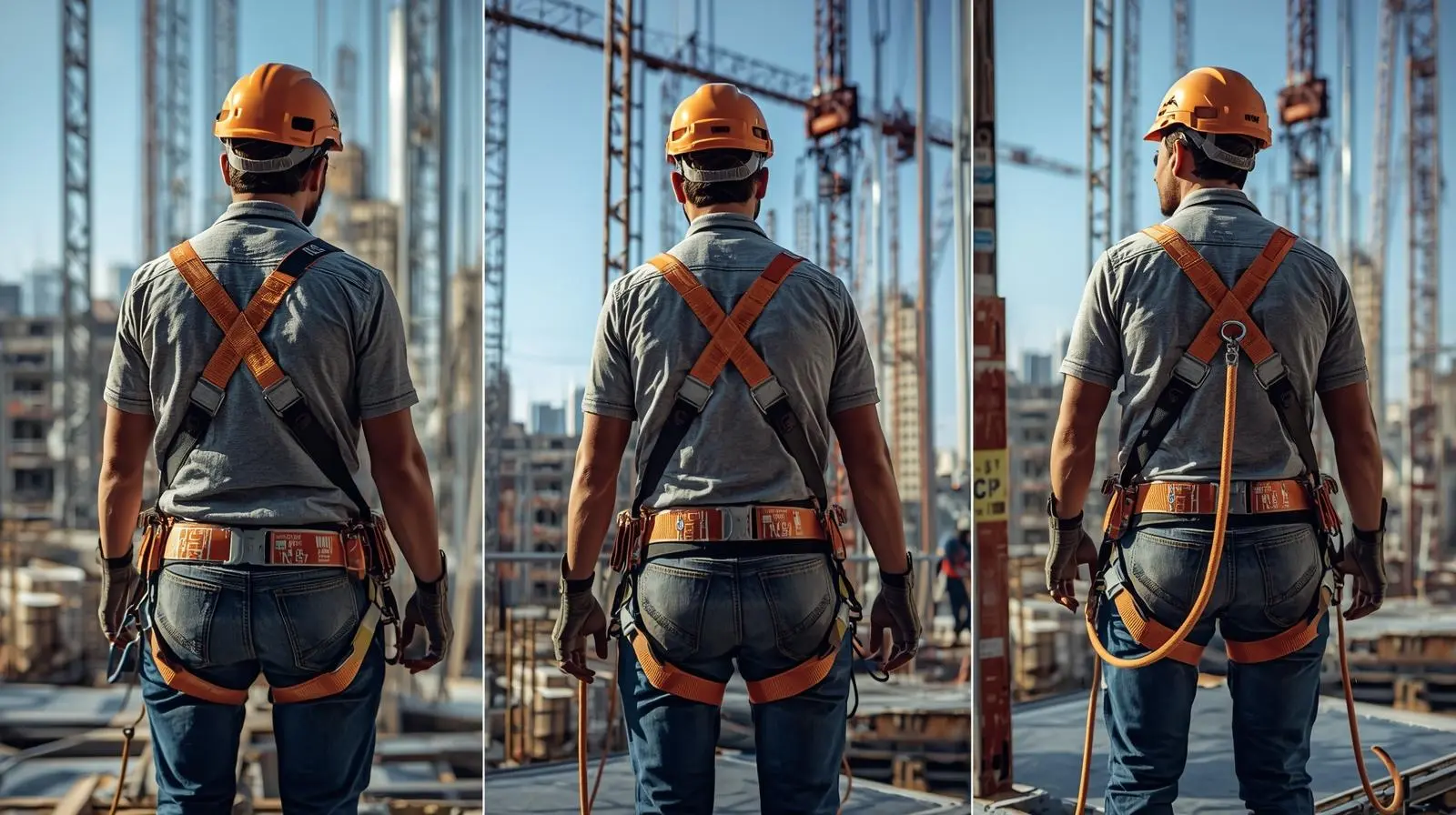
Industrial workplaces have never been more demanding. Workers operating at heights, on scaffolding, or near elevated platforms face real risks every day. For decades, the full body harness has been one of the most important tools available to protect those workers. But the question driving many safety engineers and equipment developers today is straightforward: can we do better?
Sebatek, an industrial safety equipment company, is in the process of developing a new body harness designed with that exact question in mind. While the product has not yet reached the market, the development work underway offers an interesting look at where fall protection equipment may be headed.
A safety harness is not a passive piece of equipment. When it works, it can mean the difference between a near miss and a life-altering injury. When it fails, whether due to poor fit, wear and tear, or incorrect usage, the consequences can be severe.
According to the U.S. Bureau of Labor Statistics, falls consistently rank among the leading causes of workplace fatalities in construction and general industry. OSHA standards, including 29 CFR 1926.502, set clear requirements for personal fall arrest systems, including the use of full body harnesses as the preferred anchor point for workers exposed to fall hazards of six feet or more.
Despite decades of development, many harnesses in use today still reflect older design philosophies. They can be uncomfortable for extended wear, difficult to inspect quickly, and not always adapted to the wide range of body types found in modern workforces. These are the types of problems that companies like Sebatek are working to address.
Sebatek is currently in the development phase of a fall protection harness intended for industrial use. The company has not released full specifications or announced a commercial launch date, which reflects a responsible and methodical approach to safety product development.
What is known is that Sebatek is focusing on the practical challenges workers face in the field. The development process appears to center on improving how the harness fits during real work conditions, how quickly it can be properly donned and doffed, and how it holds up under the physical demands of industrial environments.
One area worth examining is the relationship between comfort and compliance. Research and workplace observations have long shown that workers are less likely to wear personal protective equipment consistently if it is uncomfortable or difficult to adjust. A poorly fitted body harness creates real risks: straps that shift during movement, hardware that digs into the body, or buckles that are confusing to secure correctly.
Improving the ergonomic design of a fall protection harness is therefore not just about worker comfort. It is about ensuring that safety equipment gets used correctly and consistently, which is the only way it can perform its function.
OSHA and ANSI standards require that harnesses be inspected before each use and removed from service if there are signs of wear, damage, or if they have been subjected to fall arrest forces. The design of a harness can either make these inspections straightforward or create unnecessary confusion.
A well-designed safety harness makes it easy for the wearer and a supervisor to carry out a quick visual check. Clear labeling, high-visibility stitching on load-bearing components, and intuitive hardware all contribute to better inspection outcomes in the field.
Sebatek is entering a market that has seen gradual but meaningful improvement over the past two decades. Modern full body harnesses are generally more adjustable and more durable than older designs. Materials science has contributed to lighter and stronger webbing. Buckle systems have become more standardized and easier to use.
At the same time, the industry has identified gaps that still need to be addressed. These include better accommodation of different body sizes and shapes, improved performance in extreme temperature conditions, and smarter integration with other personal protective equipment.
European standards such as EN 361 and EN 358, along with ANSI/ASSP Z359 standards in North America, define the technical benchmarks that harnesses must meet. Any new product entering the professional market will need to meet or exceed these standards before it can be considered for workplace use.
Developing a safety harness is not a quick process, and it should not be. Products that are intended to prevent serious injury or death require extensive testing, iteration, and regulatory review before they are ready for professional use.
Typically, the development of fall protection equipment involves several stages. Early concept work is followed by prototyping, where initial designs are built and tested against basic performance criteria. Prototypes are then subjected to laboratory testing, including static and dynamic load tests that simulate fall arrest forces.
After laboratory validation, field testing with real users in realistic conditions provides feedback that laboratory environments cannot replicate. This phase often results in significant design changes. Finally, third-party certification testing ensures the product meets relevant standards before it can be sold.
Companies that take shortcuts in this process create products that may look functional but fail when they are needed most. The fact that Sebatek is still in development, rather than rushing a product to market, is consistent with the methodical approach that safety equipment requires.
For safety managers, procurement specialists, and fall protection coordinators, it is worth paying attention to emerging products even before they reach the market. Understanding what developers are focusing on can inform current equipment reviews and highlight areas where existing products may fall short.
When evaluating any fall protection harness, whether new or established, a few criteria are particularly important. These include compliance with applicable OSHA regulations and ANSI standards, clear and durable labeling, ease of donning and adjustment, compatibility with other components in the fall arrest system, and manufacturer guidance on inspection, maintenance, and retirement.
As Sebatek moves through its development process, safety professionals will have the opportunity to evaluate these criteria when more details become available.
Industrial safety is not a field where good enough is an acceptable standard. The stakes are too high, and the variety of working environments too complex, for equipment development to stagnate. Every improvement in how a body harness fits, how reliably it functions, and how intuitively it can be used represents a potential reduction in workplace injuries and fatalities.
Sebatek’s development work reflects this broader imperative. While the product is not yet available, the effort to rethink and improve fall protection harness design is exactly the kind of work the industry needs. Innovation in safety equipment does not happen overnight, and it should not. What matters is that developers remain focused on the real problems workers face and hold themselves to the standards that protect lives.
As the next generation of industrial safety equipment takes shape, the companies willing to invest in thoughtful, rigorous development will be the ones making a meaningful difference. Whether in harness design, anchor systems, or connected safety technology, the pursuit of better protection for workers at height remains one of the most important goals in occupational safety today.
© sebatek.id | “Body Harness dalam Ekosistem Keselamatan Kerja Industri” | Indonesia Polyester Manufacture