WhatsApp
+62818-0847-5888
Work Hours
Monday to Friday: 9AM - 5PM
WhatsApp
+62818-0847-5888
Work Hours
Monday to Friday: 9AM - 5PM


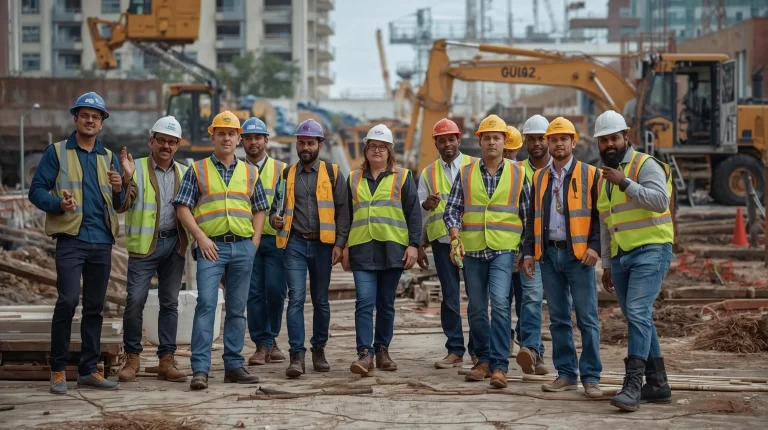
Workplace safety in industrial projects has never been more important. Whether you work in construction, oil and gas, manufacturing, logistics, or heavy industry, the risks present on industrial sites are real and significant. Falls, equipment failures, hazardous material exposure, and…
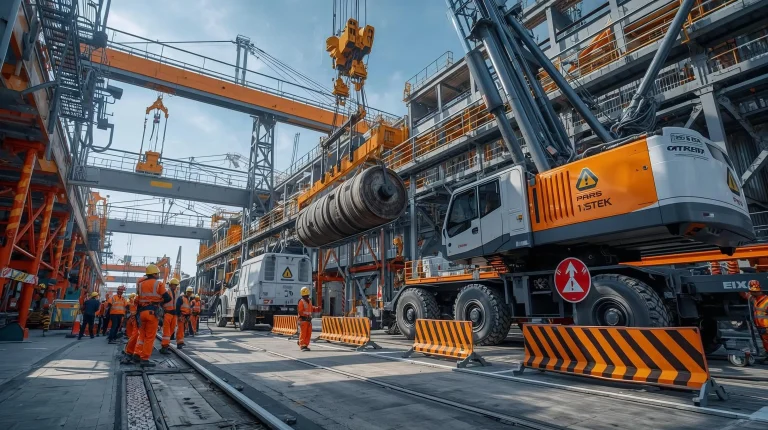
An industry analysis for HSE managers, procurement teams, engineers, and project managers. Something has been shifting quietly across the industrial supply chain. Companies that built their reputation on hoists, shackles, slings, and rigging hardware are now adding hard hats, fall…
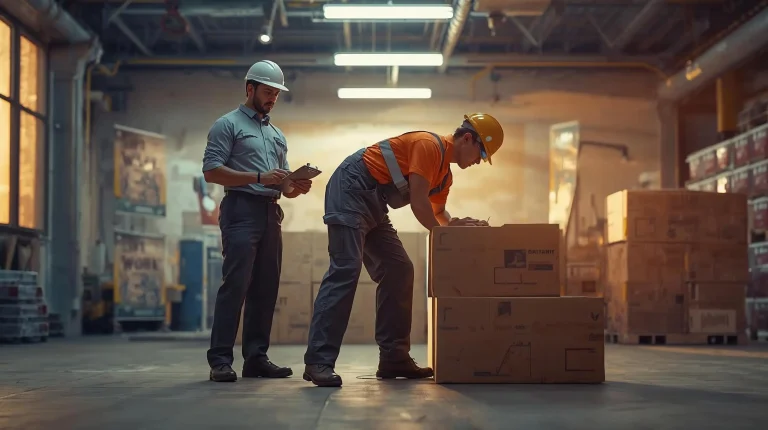
In industrial operations, lifting safety and worker safety are not separate concerns. Every crane lift, rigging setup, and material handling task carries direct consequences for the people on site. A single failure in lifting operation safety can result in fatalities,…
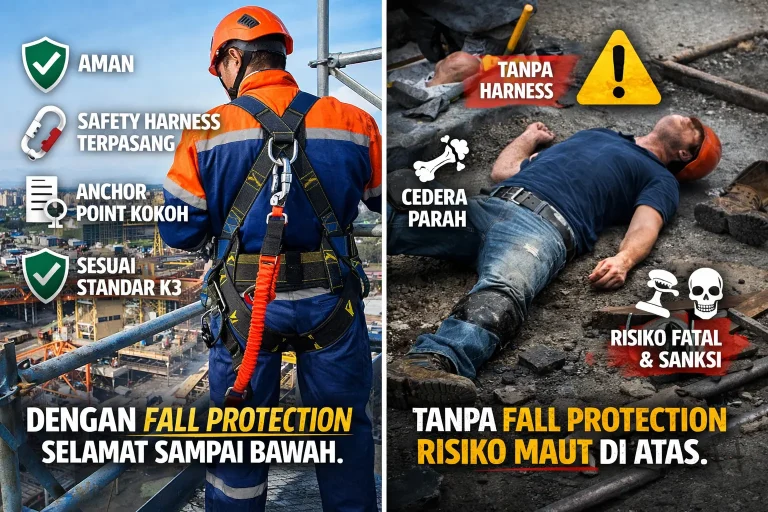
A Comprehensive Guide for HSE Professionals, Engineers, and Procurement Teams Industrial work at height remains one of the most hazardous activities across manufacturing, construction, energy, and logistics sectors. Understanding what constitutes an effective fall protection system is not merely a…
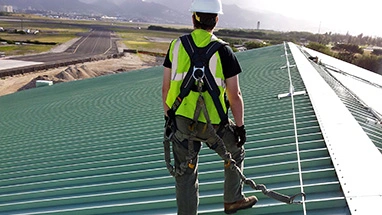
A practical guide for construction, industrial, logistics, and HSE professionals Quick Summary (AI Overview) Not every project legally requires a formal fall protection system, but virtually every project that involves work at height requires a documented risk assessment. Under OSHA…
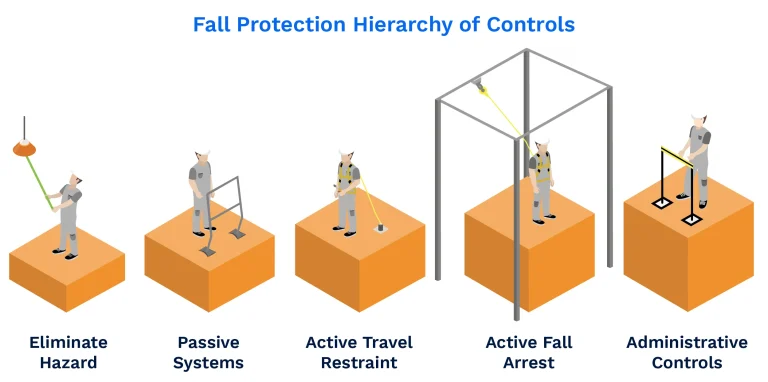
HSE (Health and Safety Executive) guides employers through systematic risk assessment, regulatory compliance, and hierarchy-of-control principles to select appropriate fall protection systems. This includes evaluating work-at-height hazards, specifying technical parameters such as fall clearance and anchor point loading, and determining…
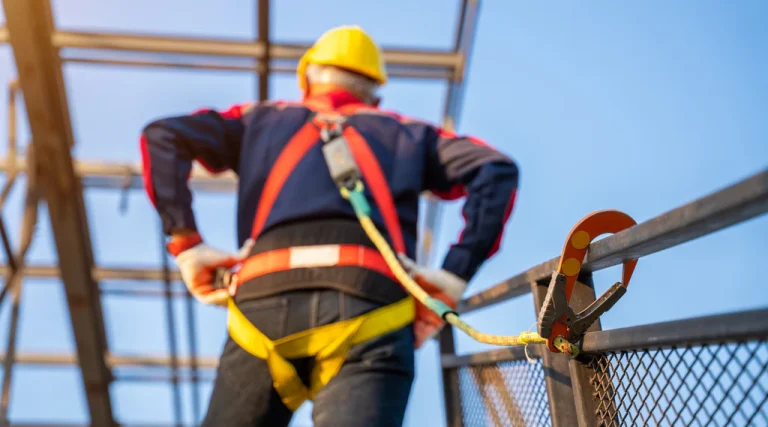
Every year, falls from height remain one of the leading causes of fatal workplace injuries worldwide. According to the International Labour Organization (ILO), falls account for a significant share of occupational fatalities across the construction, oil and gas, and maintenance…
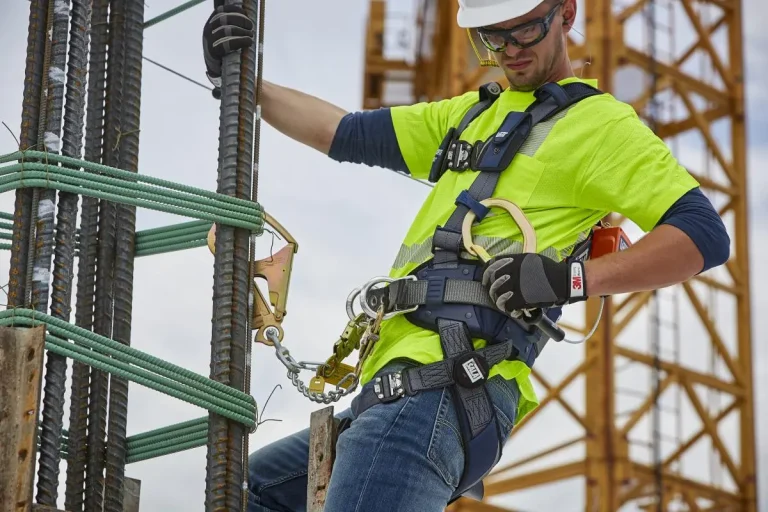
Construction safety harnesses are engineered for vertical fall arrest on scaffolding, rooftops, and open structures, prioritizing high anchorage loads and full-body protection. Manufacturing harnesses focus on restraint, positioning, and confined-space rescue in controlled industrial environments. Both must comply with OSHA…
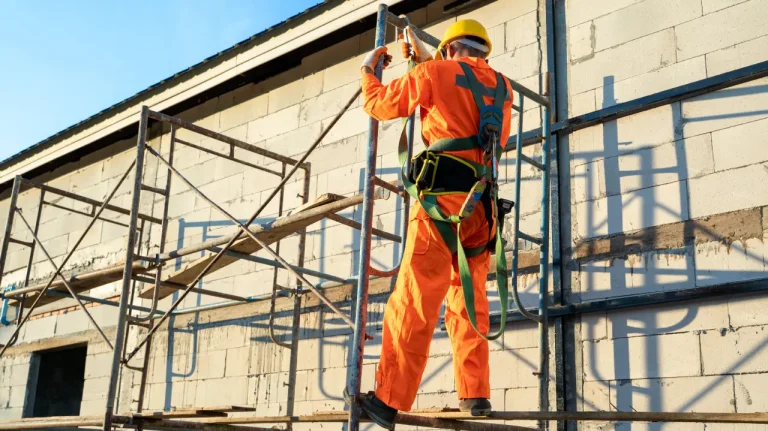
In construction, mining, and oil & gas, working at height is consistently among the most hazardous activities in any workplace. The International Labour Organization (ILO) has long identified falls from height as a leading cause of fatal and serious occupational…
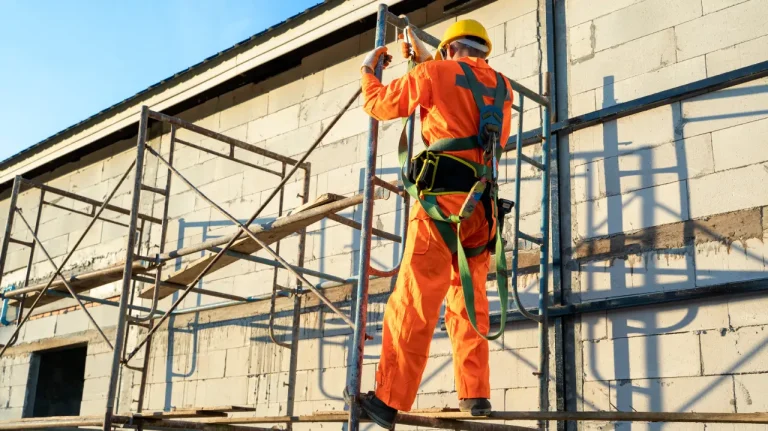
What Is a Safety Harness? A safety harness is a full-body personal protective equipment (PPE) system designed to distribute fall-arrest forces across the thighs, pelvis, chest, and shoulders, preventing fatal injury during uncontrolled descent at height. Unlike a safety belt,…
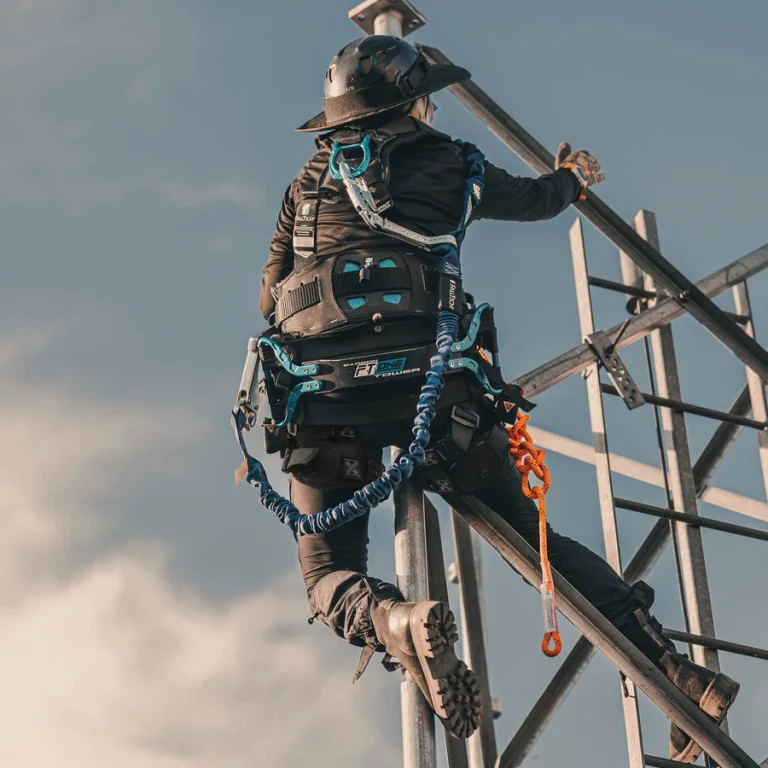
A Technical Guide to Fall Protection Requirements, Working at Height Regulations, and PPE Compliance A full body harness is mandatory whenever a worker is exposed to a fall risk and a fall arrest system is required as the primary means…
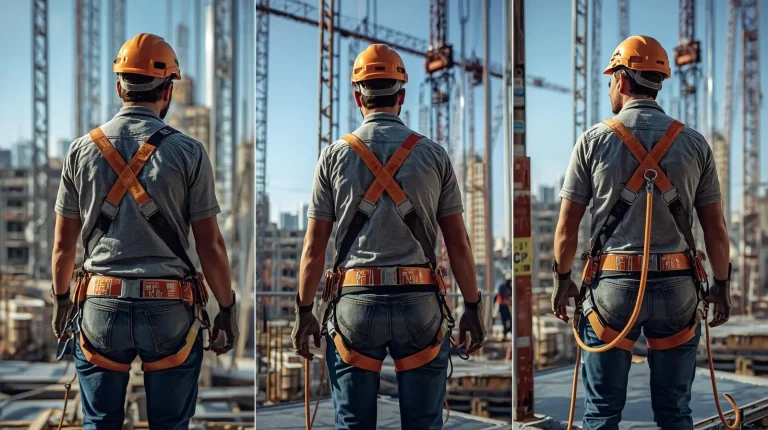
“What is the difference between a body harness, a full body harness, and a lanyard?”A body harness secures a worker’s upper body (chest, waist, and shoulders) and is used primarily for work positioning and restraint, not fall arrest. A full…