WhatsApp
+62818-0847-5888
Work Hours
Monday to Friday: 9AM - 5PM
WhatsApp
+62818-0847-5888
Work Hours
Monday to Friday: 9AM - 5PM

Body harness and industrial lifting safety articles from Sebatek. Our body harness line is in development; read our guides on standards and safe practice.
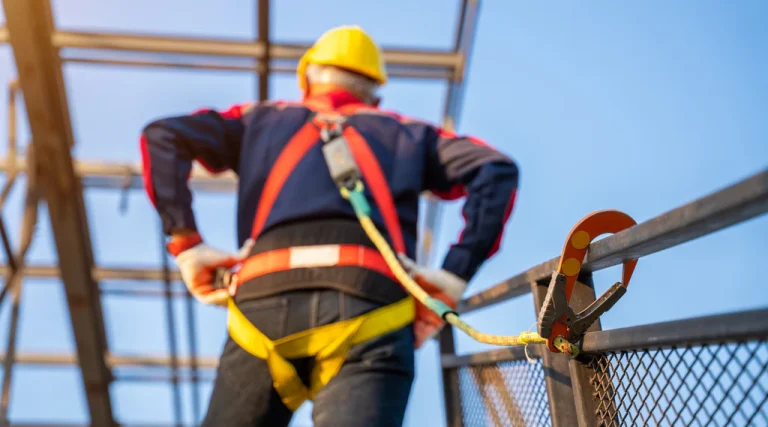
Every year, falls from height remain one of the leading causes of fatal workplace injuries worldwide. According to the International Labour Organization (ILO), falls account for a significant share of occupational fatalities across the construction, oil and gas, and maintenance…
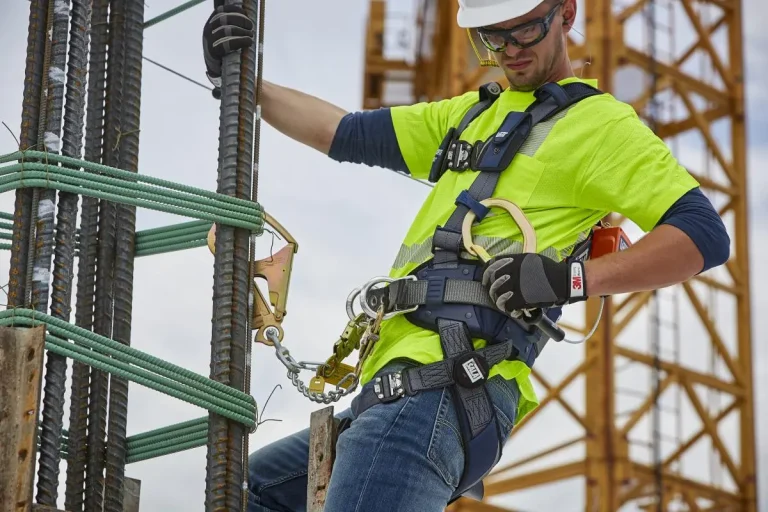
Construction safety harnesses are engineered for vertical fall arrest on scaffolding, rooftops, and open structures, prioritizing high anchorage loads and full-body protection. Manufacturing harnesses focus on restraint, positioning, and confined-space rescue in controlled industrial environments. Both must comply with OSHA…
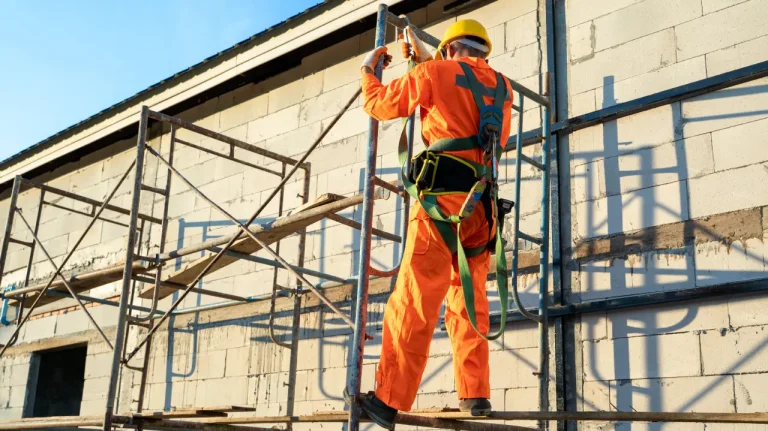
In construction, mining, and oil & gas, working at height is consistently among the most hazardous activities in any workplace. The International Labour Organization (ILO) has long identified falls from height as a leading cause of fatal and serious occupational…
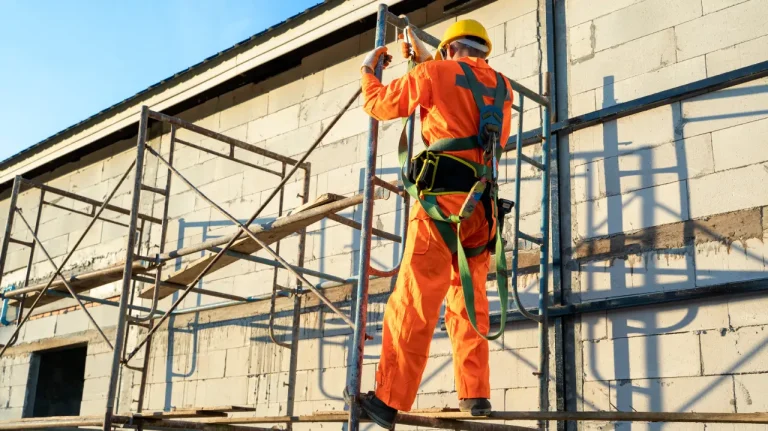
What Is a Safety Harness? A safety harness is a full-body personal protective equipment (PPE) system designed to distribute fall-arrest forces across the thighs, pelvis, chest, and shoulders, preventing fatal injury during uncontrolled descent at height. Unlike a safety belt,…
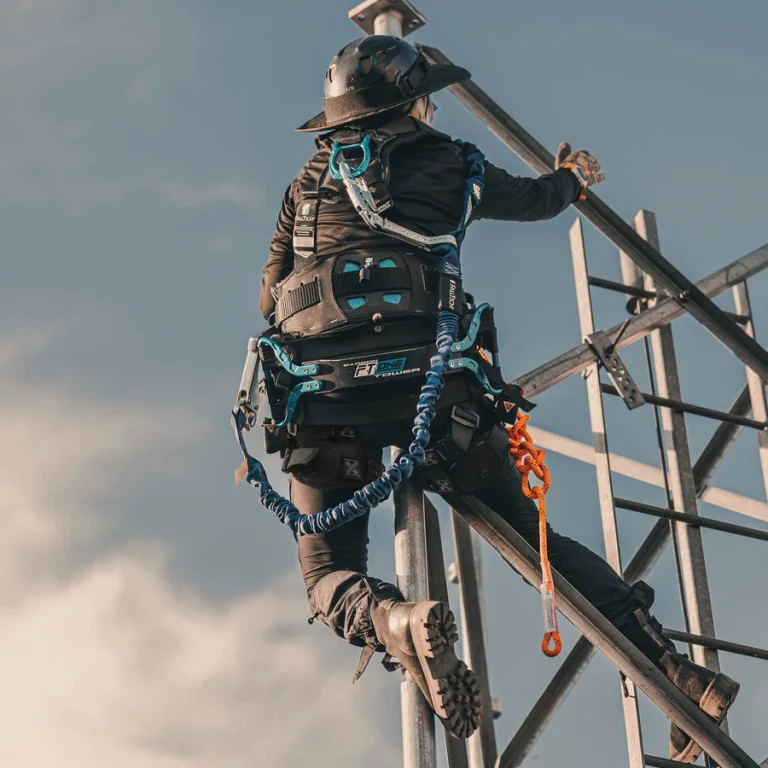
A Technical Guide to Fall Protection Requirements, Working at Height Regulations, and PPE Compliance A full body harness is mandatory whenever a worker is exposed to a fall risk and a fall arrest system is required as the primary means…
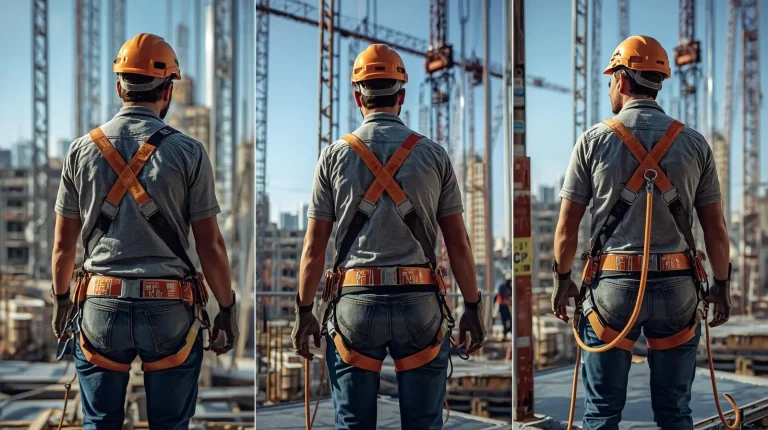
“What is the difference between a body harness, a full body harness, and a lanyard?”A body harness secures a worker’s upper body (chest, waist, and shoulders) and is used primarily for work positioning and restraint, not fall arrest. A full…
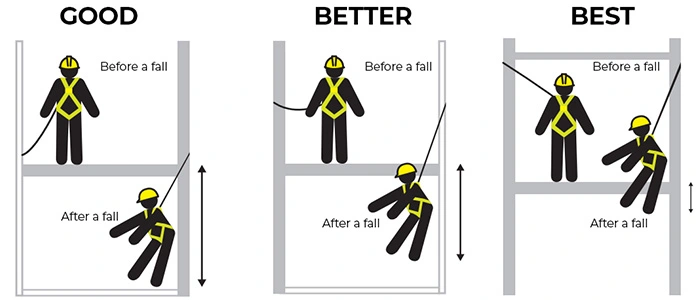
Quick Answer: What You Need to Know Most Common Mistakes in Safety Harness Use:• Using the wrong harness class for the task (e.g., Class A harness for working at height above 1.8 m).• Skipping pre-use inspection, especially after a fall…
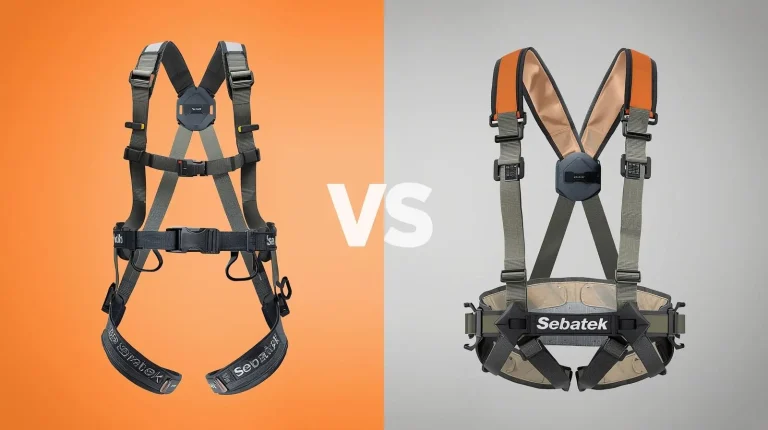
The critical difference: A safety harness distributes fall arrest forces across the entire body (shoulders, chest, pelvis, thighs), while a safety belt concentrates force around the waist, which can cause severe internal injuries or death during a fall. Modern fall…
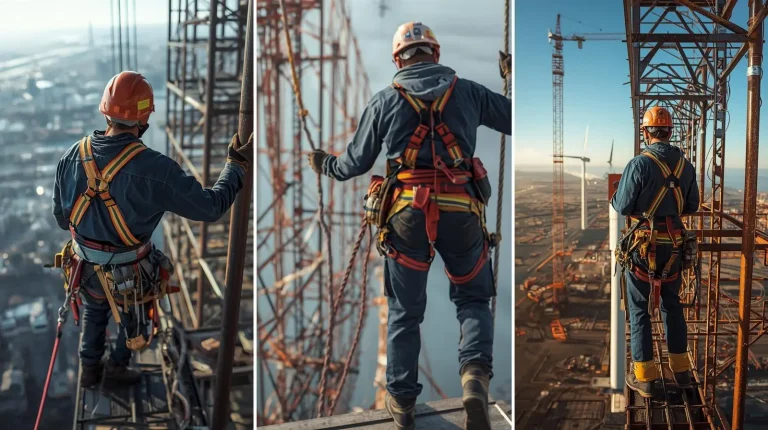
Fall-from-height workplace accidents are among the most serious incidents in the industrial sector. Unlike other types of workplace accidents, fall risks have direct consequences that can be fatal, ranging from permanent injuries to death. In Indonesia, the construction, manufacturing, telecommunications,…
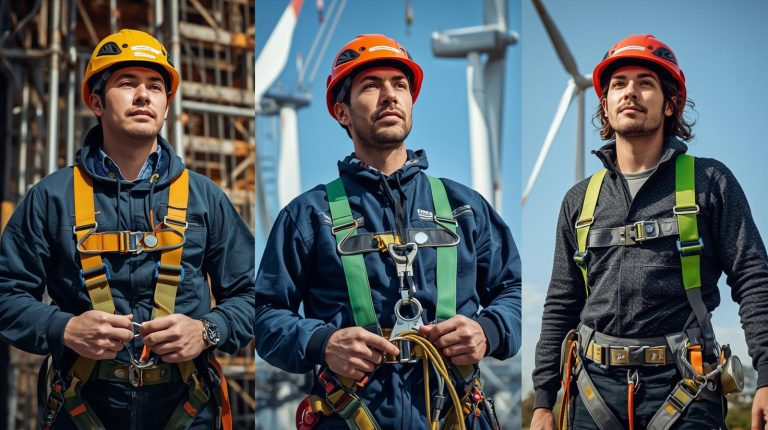
Working at height remains one of the most hazardous activities across industrial sectors. Every year, falls from elevation account for a significant portion of workplace fatalities and serious injuries globally. Safety harnesses serve as the primary line of defense in…
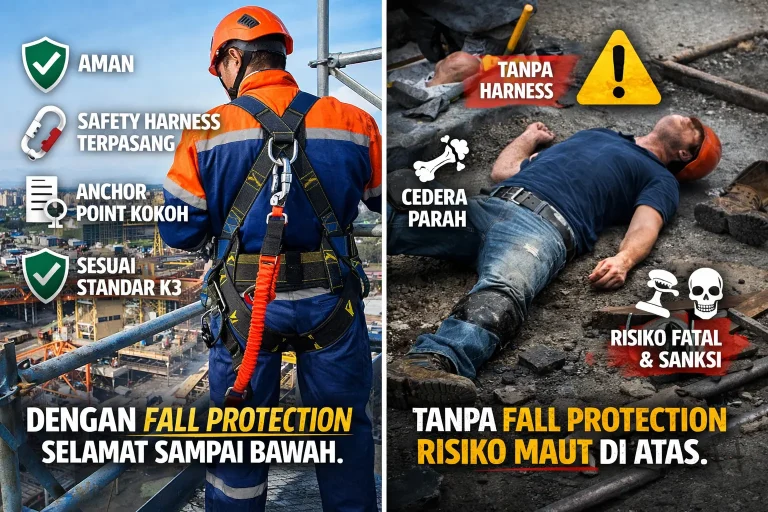
Workplace accidents resulting from falls from height remain the highest contributor to fatalities in the construction and industrial sectors. Despite continuous tightening of occupational safety regulations, fall protection implementation in the field is often neglected or inadequately executed. This article…
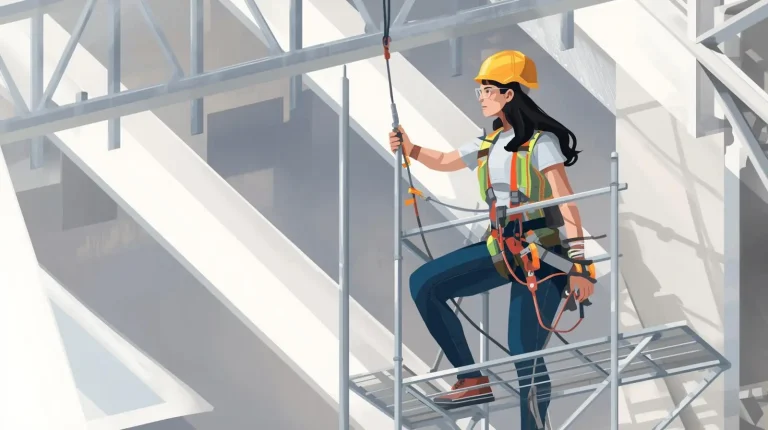
When workers step onto scaffolding, climb communication towers, or operate at height on construction sites, one piece of equipment stands between them and a potentially fatal fall: the body harness. Despite being a daily sight on industrial job sites worldwide,…